Gaining a new perspective through creativity and volunteering.
(Article for OWC “The Rangoli” July, 2018)
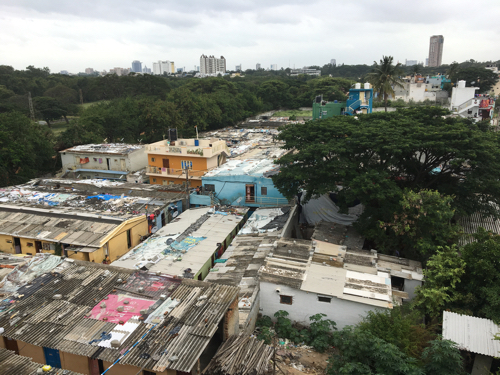
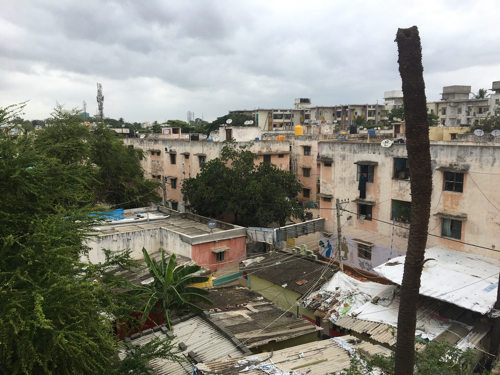
After living in the U.S. for ten years, I moved to Bangalore with my husband in November 2005. Until I started to live in India, I had spent my life building my own business career in Tokyo and New York, and was not very active in volunteer activities. However, as soon as I settled in Bangalore, I couldn’t ignore the poverty that can be seen all around the city. I felt that I should do something to make a difference, but I could not immediately think of what specifically to do.
In November 2007, I attended OWC’s Monthly Speaker Meeting. The speaker was Pastor Dr. Reuben, who runs a home, “Agape Children Centre” in Bangalore. His story about the lives of street children, stone-breakers (quarry workers), and eunuchs (hijra) was truly shocking for me. I felt that I should contribute for people who are living in extreme and deprived environments. One of the suggestions that Dr. Reuben gave us, was to not give cash to beggars. He said that it would be better to give food or clothes, instead of money. Since then, I have made it a practice to buy a lot of small packets of biscuits for beggars, and always keep some in our car.
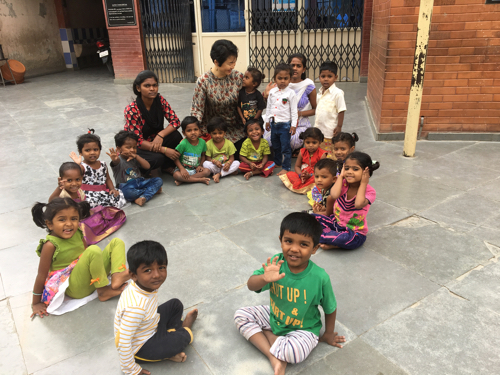
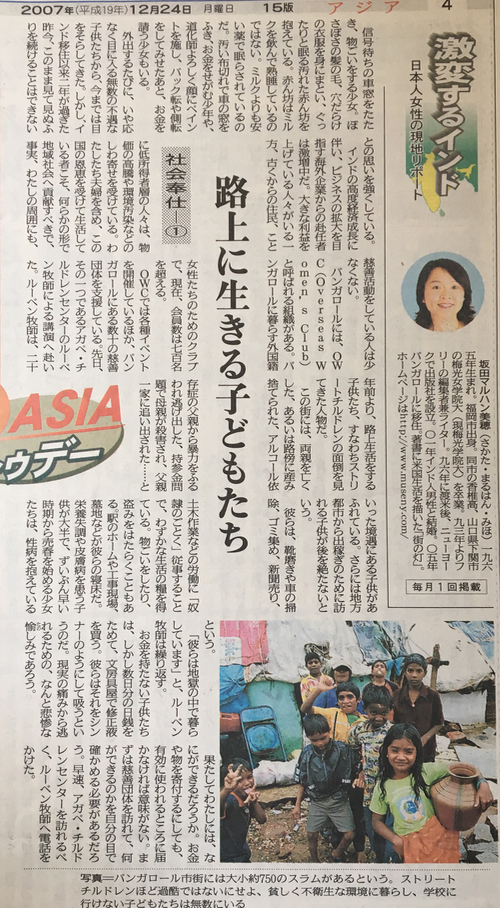
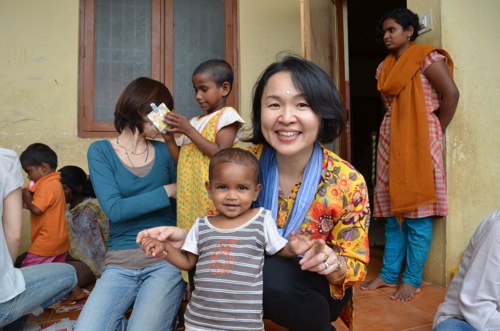
In the next month, I visited “Agape Children Centre” alone, and met their children. My purpose was to write a visit record for a Japanese newspaper, but in reality, I was very nervous and it needed courage to go there. It was an eye opening experience to communicate with Pastor Reuben’s family and the girls, who were once street children, living under one roof as a big family.
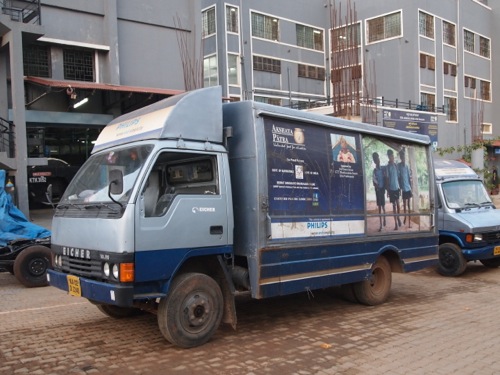
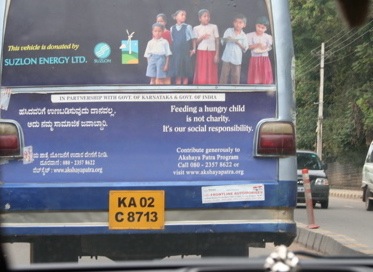
Around that time, when I was driving around the city, a bus stopped in front of our car, while we waiting for a signal. My eyes caught a sentence written on the back of the bus.
“Feeding a hungry child is not charity. It’s our social responsibility.”
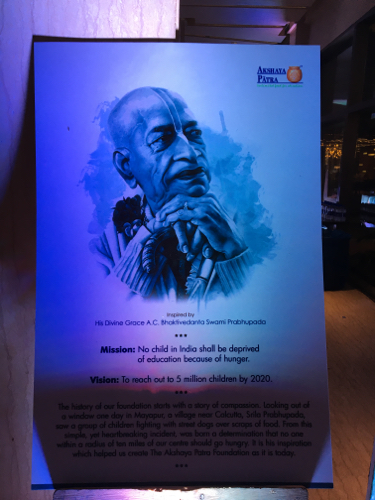
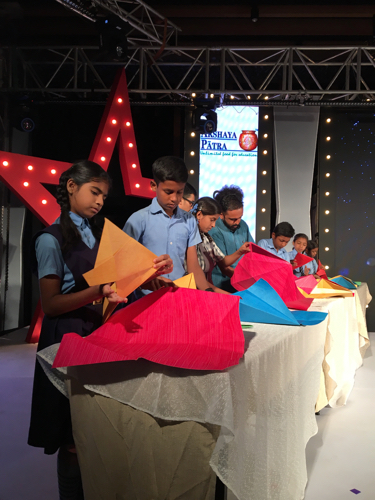
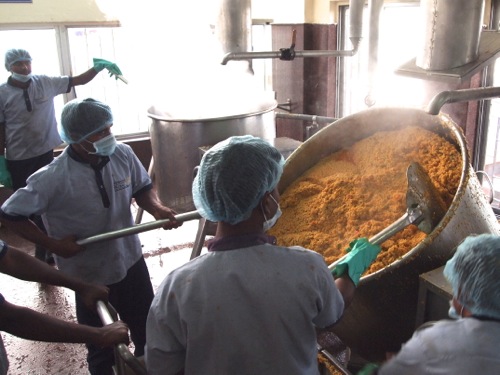
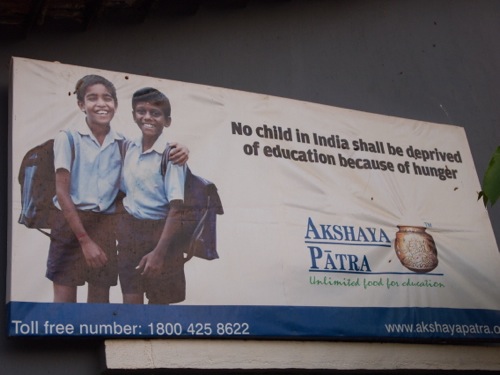
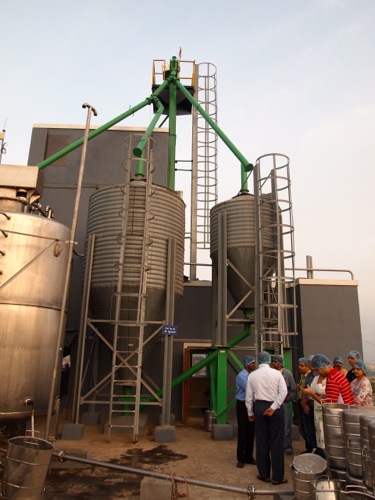
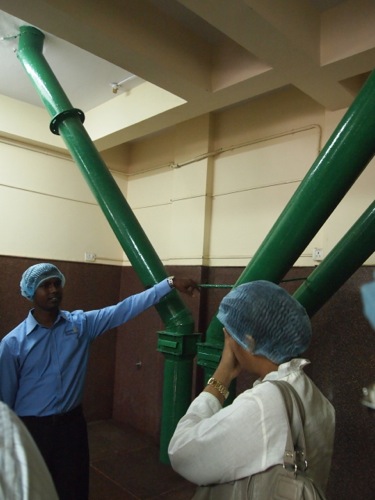
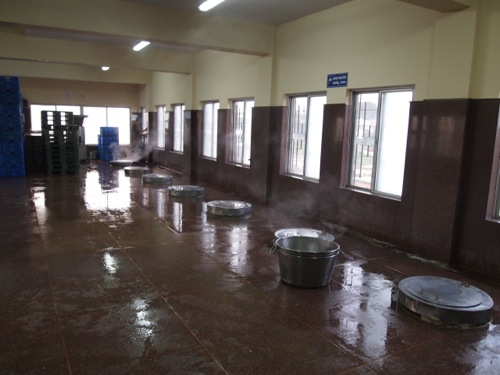
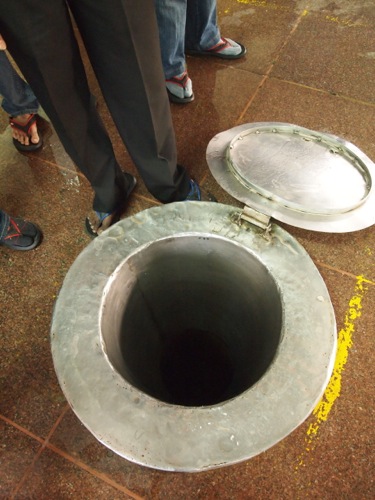
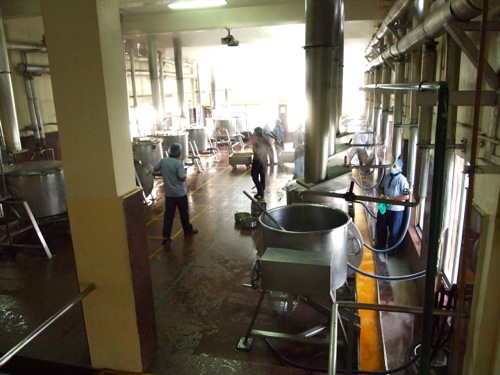
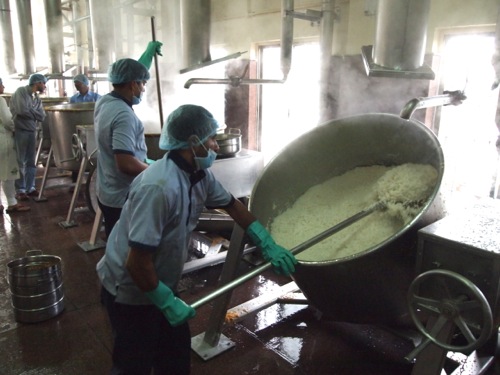
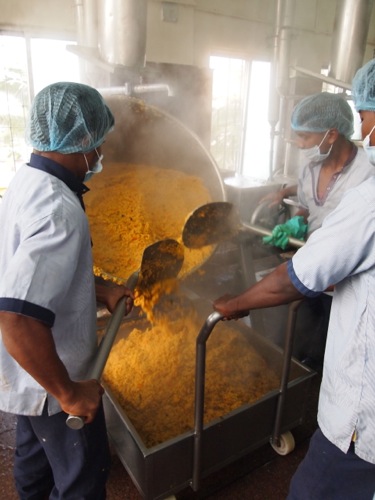
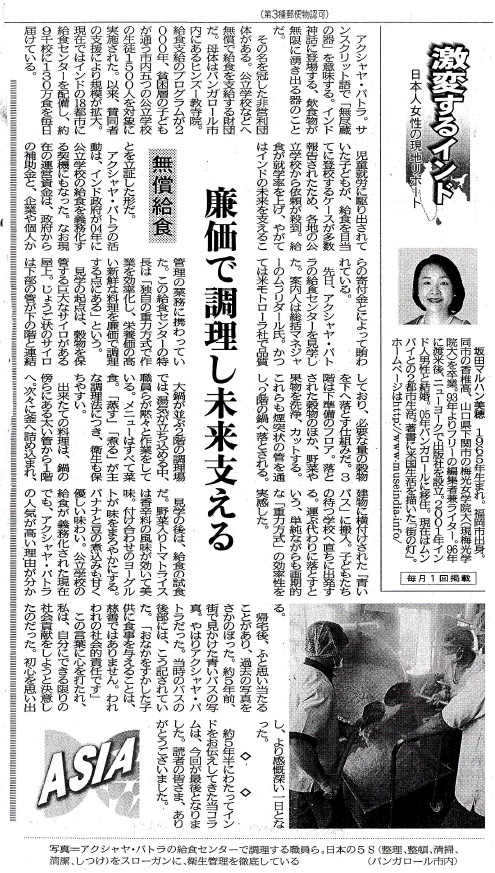
It was one of the buses of Akshaya Patra, which runs the world’s largest school lunch program with the aim of ending child hunger in India. That sentence triggered me to action.
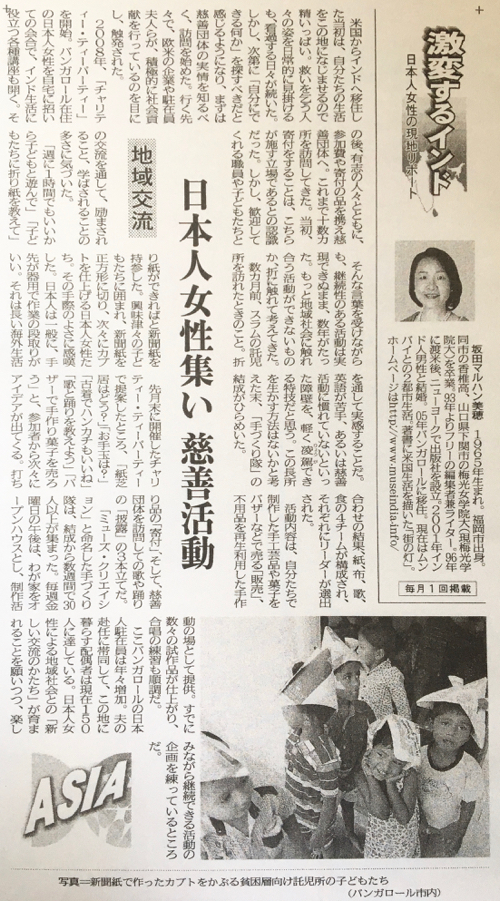
Immediately after, I started to hold a “Charity Tea Party” at home, every few months. I invited Japanese expats’ wives to my home and held seminars, and shared useful information about living in India. I collected a seminar fee and donated items from participants, and visited local charities to donate them. This activity continued about five years, and was the foundation for the creation of Muse Creation.
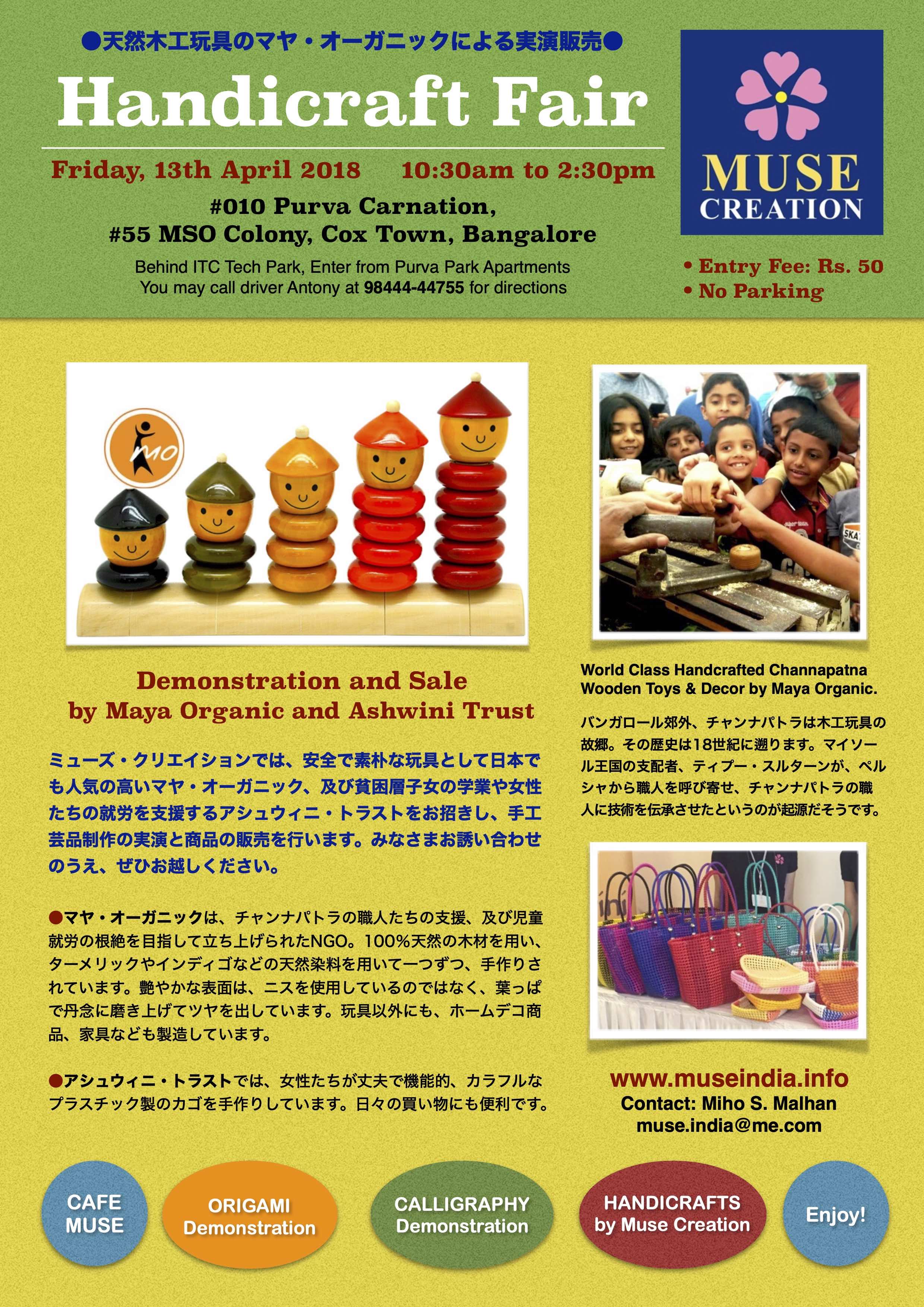
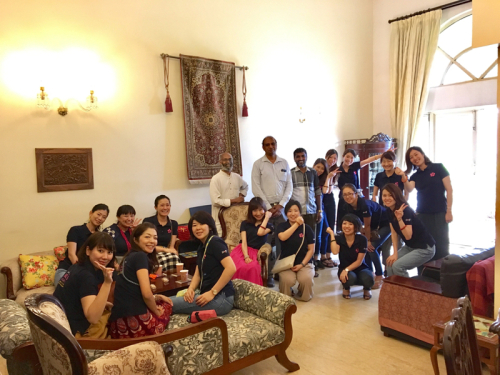
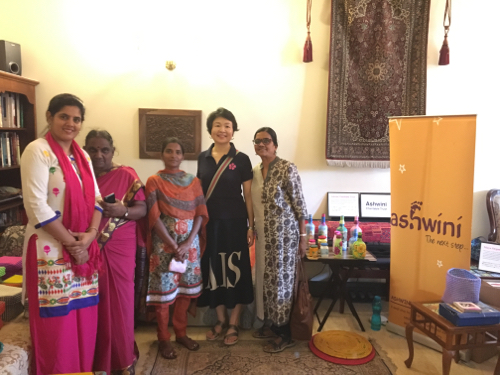
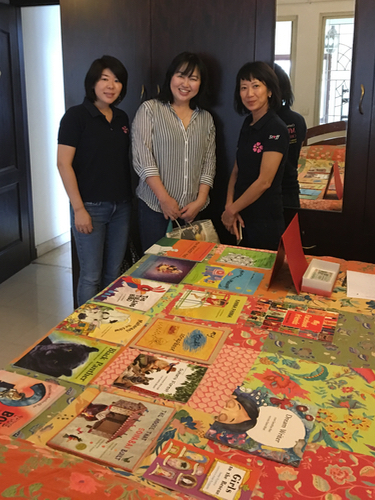
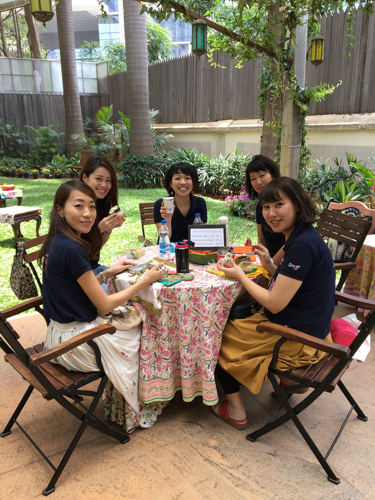
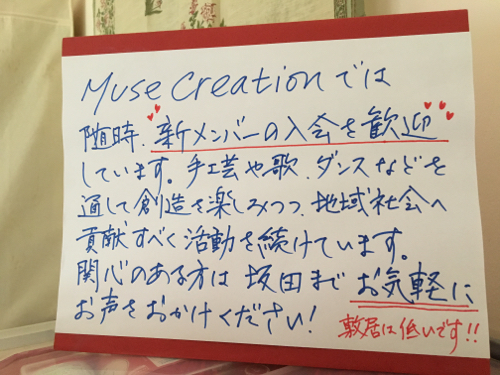
I founded Muse Creation, a volunteer NGO, in June 2012. Muse Creation brings together the collective creative talent of our Japanese community in Bangalore. We have set up three teams: Team Handicrafts, Muse Choir & Dancers, and Team Expats (which focuses on familiarizing Japanese expats with the work and living culture of India). Through these creative activities, we wish to bring awareness, and to communicate with local underprivileged people.
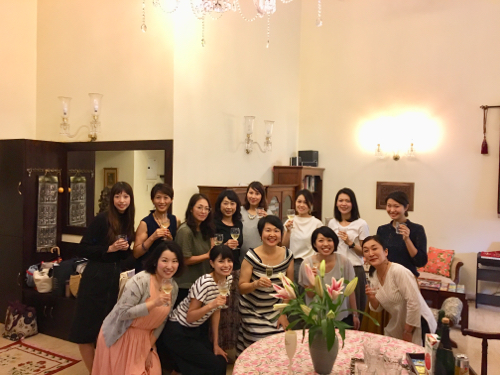
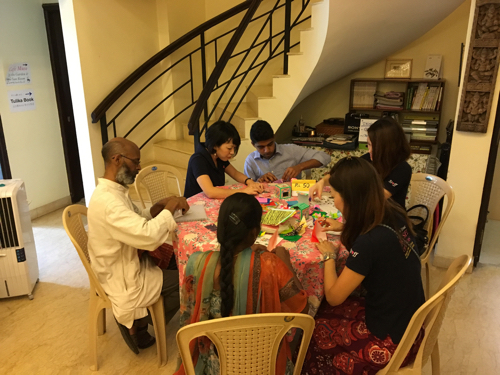
Every Friday, I hold a workshop, called “Studio Muse” at home. Members get together for a creativity and social skills workshop. At the same time, it is a place to exchange information to help lead a better life in India, a place to build a social network, and a place to help each other in an unfamiliar living environment.
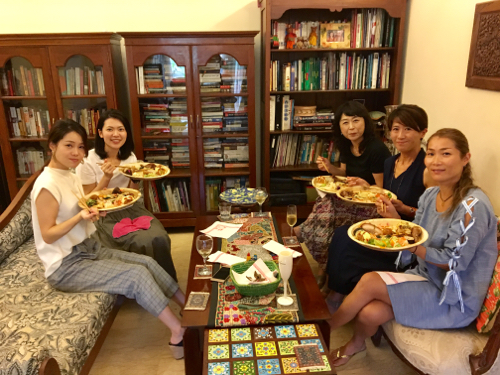
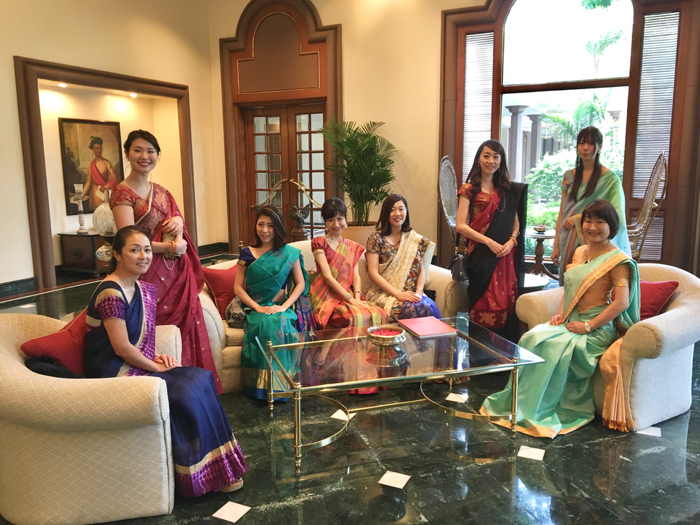
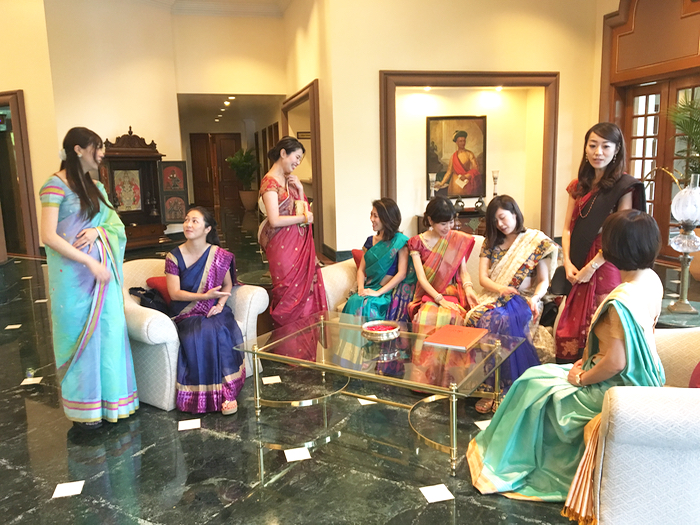
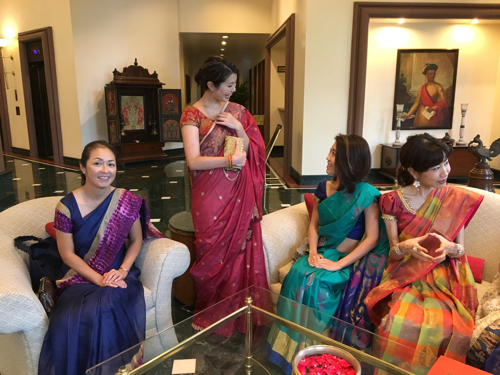
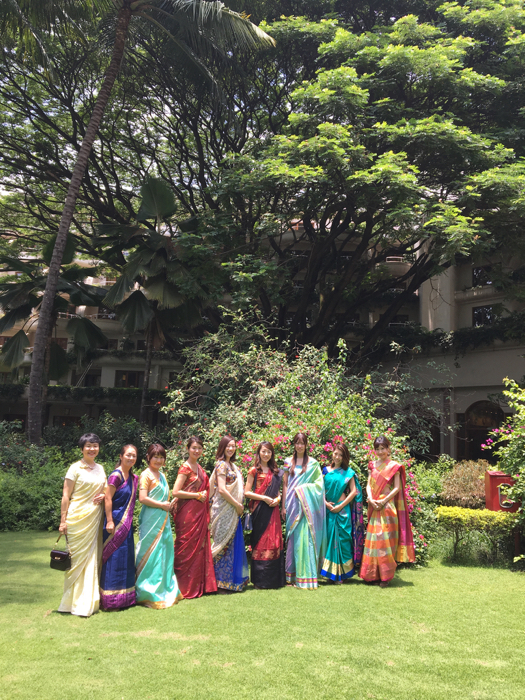
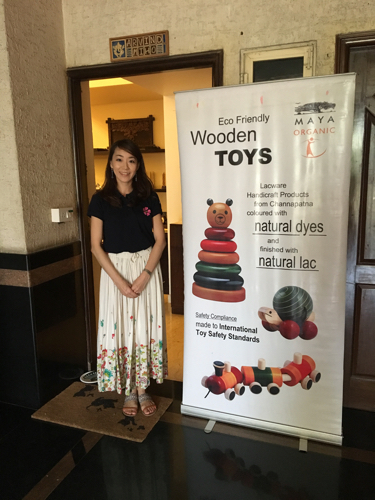
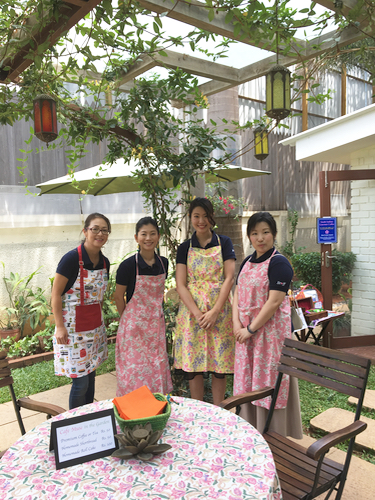
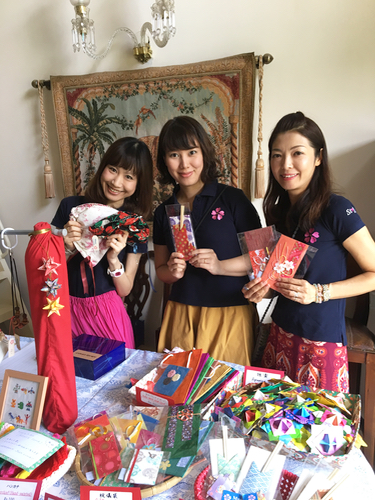
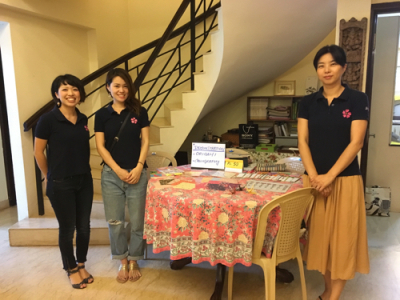
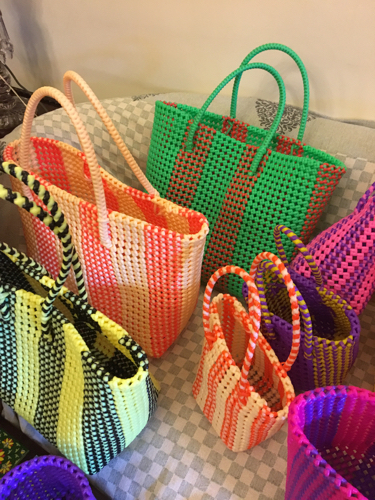
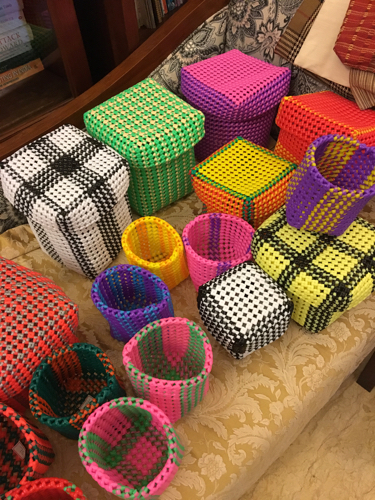
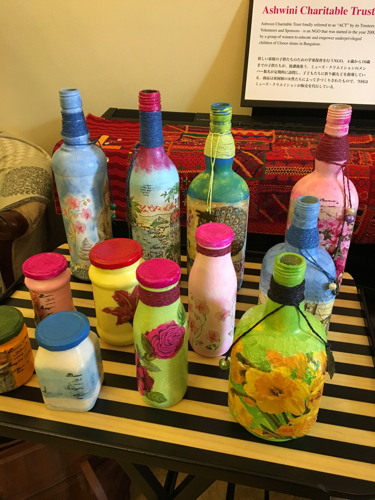
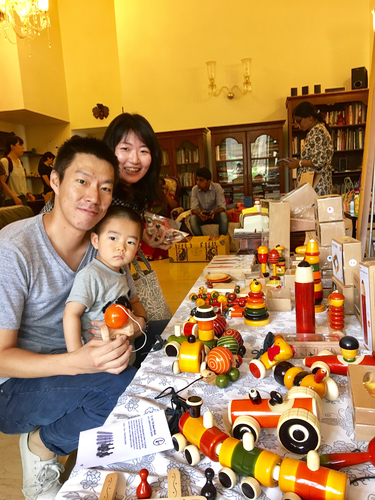
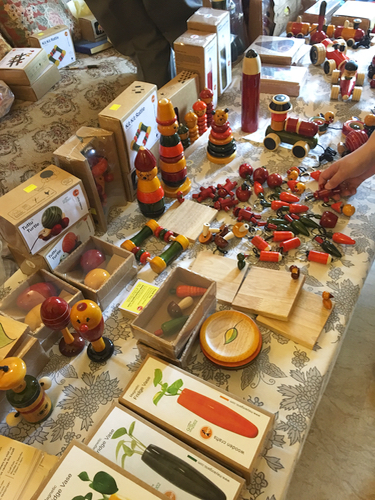
Muse Creation organizes annual charity bazaars, and participates in other community bazaars, including OWC’s Christmas bazaar. All the proceeds from the sales of our products are donated to various charitable organizations in Bangalore. Visiting them to communicate with local people, is a valuable experience for our members. We also organize various activities like handicraft workshops, local shopping tours, experiential lunches (for instance, lunches where members wear saris), business seminars, etc.
Members of Muse Creation always number 40 or more at any given point, and members enrolled in the past six years exceed 180 people cumulatively. There are quite a few members who challenge new activities that they have never experienced in Japan, such as learning handicrafts, dancing, and chorus music. These experiences enrich their lives in India.
Last year, when I went back to Japan, we held the fifth anniversary of Muse Creation in Tokyo and Nagoya with our alumni members. I met with over 50 past members at that time. Everyone told me that the activities of Muse Creation were an important part of their lives in Bangalore. The comments were a source of happiness and motivation for me.
It is not easy to bring together many people over a long period, to act in unison. However, what can be collectively experienced and achieved in Muse Creation, can never be realized alone. I sincerely hope that Muse Creation will continue to be an effective and impactful group through the active efforts of our members.
●Gaining a new perspective through creativity and volunteering
After living in the U.S. for ten years, I moved to Bangalore with my husband in November 2005. Until I started to live in India, I had spent my life building my own business career in Tokyo and New York, and was not very active in volunteer activities. However, as soon as I settled in Bangalore, I couldn’t ignore the poverty that can be seen all around the city. I felt that I should do something to make a difference, but I could not immediately think of what specifically to do.
In November 2007, I attended OWC’s Monthly Speaker Meeting. The speaker was Pastor Dr. Reuben, who runs a home, “Agape Children Centre” in Bangalore. His story about the lives of street children, stone-breakers (quarry workers), and eunuchs (hijra) was truly shocking for me. I felt that I should contribute for people who are living in extreme and deprived environments. One of the suggestions that Dr. Reuben gave us, was to not give cash to beggars. He said that it would be better to give food or clothes, instead of money. Since then, I have made it a practice to buy a lot of small packets of biscuits for beggars, and always keep some in our car.
In the next month, I visited “Agape Children Centre” alone, and met their children. My purpose was to write a visit record for a Japanese newspaper, but in reality, I was very nervous and it needed courage to go there. It was an eye opening experience to communicate with Pastor Reuben’s family and the girls, who were once street children, living under one roof as a big family.
Around that time, when I was driving around the city, a bus stopped in front of our car, while we waiting for a signal. My eyes caught a sentence written on the back of the bus.
“Feeding a hungry child is not charity. It’s our social responsibility.”
It was one of the buses of Akshaya Patra, which runs the world’s largest school lunch program with the aim of ending child hunger in India. That sentence triggered me to action.
Immediately after, I started to hold a “Charity Tea Party” at home, every few months. I invited Japanese expats’ wives to my home and held seminars, and shared useful information about living in India. I collected a seminar fee and donated items from participants, and visited local charities to donate them. This activity continued about five years, and was the foundation for the creation of Muse Creation.
I founded Muse Creation, a volunteer NGO, in June 2012. Muse Creation brings together the collective creative talent of our Japanese community in Bangalore. We have set up three teams: Team Handicrafts, Muse Choir & Dancers, and Team Expats (which focuses on familiarizing Japanese expats with the work and living culture of India). Through these creative activities, we wish to bring awareness, and to communicate with local underprivileged people.
Every Friday, I hold a workshop, called “Studio Muse” at home. Members get together for a creativity and social skills workshop. At the same time, it is a place to exchange information to help lead a better life in India, a place to build a social network, and a place to help each other in an unfamiliar living environment.
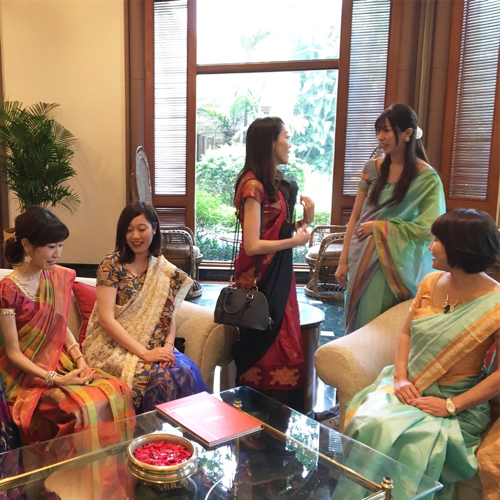
Muse Creation organizes annual charity bazaars, and participates in other community bazaars, including OWC’s Christmas bazaar. All the proceeds from the sales of our products are donated to various charitable organizations in Bangalore. Visiting them to communicate with local people, is a valuable experience for our members. We also organize various activities like handicraft workshops, local shopping tours, experiential lunches (for instance, lunches where members wear saris), business seminars, etc.
Members of Muse Creation always number 40 or more at any given point, and members enrolled in the past six years exceed 180 people cumulatively. There are quite a few members who challenge new activities that they have never experienced in Japan, such as learning handicrafts, dancing, and chorus music. These experiences enrich their lives in India.
Last year, when I went back to Japan, we held the fifth anniversary of Muse Creation in Tokyo and Nagoya with our alumni members. I met with over 50 past members at that time. Everyone told me that the activities of Muse Creation were an important part of their lives in Bangalore. The comments were a source of happiness and motivation for me.
It is not easy to bring together many people over a long period, to act in unison. However, what can be collectively experienced and achieved in Muse Creation, can never be realized alone. I sincerely hope that Muse Creation will continue to be an effective and impactful group through the active efforts of our members.
By Miho Sakata Malhan
Freelance writer for media in Japan. Founder of Muse Creation. http://www.museindia.info
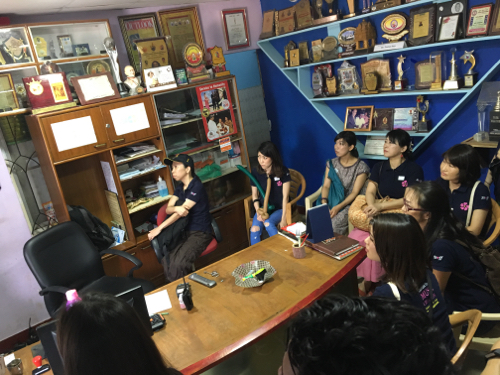
Home of hopeの前で車を降りた時、施設の門構えにまず驚いた。アトラクションの入り口?のようなデザインに何か楽しそうな雰囲気を感じた。メンバーが集合し、事務所に通されHome of hopeの概要ビデオの鑑賞。これはなかなか生々しく、衝撃的だった。バンガロールに赴任後、3ヶ月。違うインドの一面を見れた気がする。
HOME OF HOPEの訪問は私にとってインドで初めての慈善団体訪問となりました。訪問先で見せていただいた映像は覚悟はしていたものの衝撃なシーンが多く、特に治療手当てにおいて、日本での医療現場と大きく違い、限られた環境、医療品、人材で処置が行われていることが印象的でした。しかしこの事がラジャさん、また一緒に携わっている方たちの行動がどれだけ素晴らしいことか、限られた中で行うことは誰もができる事ではないと感じました。施設の子どもたちは、笑顔が多いという印象でした。私はバルーンを持っていましたが、あっという間に子どもたちが来て持っていかれてしまうという場面に直面し困りました。しかし子どもたちの活気には嬉しさを感じました。今回の訪問は私にとって貴重な経験となりました。ありがとうございました。
An article on a recent culinary study, held by Japanese students in Bangalore
(By Sahnya Mehra; March 2018)
Japanese cuisine has, over the last few years, become all the rage. In Bangalore, particularly, many Japanese restaurants have cropped up all over the city. While the authenticity of many places can be debated, caterers from all over the city are starting to offer everything from Tempura fried meats, to food in Teriyaki sauce, and the ever – popular sushi and sashimi.
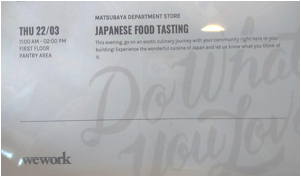
On the 22nd of March, 2018, a group of college interns held a tasting of traditional Japanese food at WeWork EGL, Bangalore. The Takahashi Group, from Fukuoka, is a company with an incredible story. In 1965, Mr. Kawahiko Takahashi, the owner of an established textile company, opened one of the first sport and fitness centres in Japan. Within the next decade, he went on to establish a company that dealt primarily with play areas, game arenas, and bowling alleys. The current CEO, Mr. Hikotaro Takahashi, grandson on the founder, went on to not only expand the company, but revolutionize it. As a college student, he was inspired by other nationalities and cultures, and developed a global perspective of life.
Today, Takahashi Co. Limited serves as a “locally – focused general trading enterprise”. The group manages several branches of their main company, with businesses in sports, fitness, agriculture, foodservice, and real estate. This gives them an enigmatic presence in diverse fields of business. With their slogan of “Creating Something to Live For”, they have established themselves as a household name in Japan.
Looking to expand into India, Mr. Takahashi had personally accompanied a batch of interns to Bangalore, along with Mr. Tetsuro Fujimi, the Executive Concierge of Startup Café Fukuoka City, and current Business Planning and Development Office Director with the Takahashi Group.
The Takahashi Group had recently started an entrepreneurial program for students, as an offshoot of their parent company. A major part of the course is to engage students in the actual processes of marketing and development. This involves them undertaking week – long trips abroad, in order to not only learn the culture and tastes of other countries, but to gain awareness of the products being developed. In 2017, students visited San Francisco, and this year, Bangalore was chosen to host the interns that had applied to the program. The focus is to conduct a market survey into the eating habits of working Indians, and to test whether some of their food products would sell, here. This time, the concept was unique, as the interns had the task of actually developing the product to be sold, as compared to just marketing an existing commodity.
The interns, who are all in the process of pursuing various fields of study – were looking to develop easy, hassle – free food for the working person who’s constantly on the move. With a target market of people within the ages of 25 – 35, who lead a hectic corporate life with little time to spend on cooking, the students set out to market food that could be eaten as quick snacks, which were a healthy and a complete meal in itself.
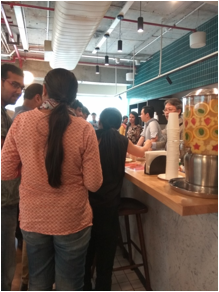
The students had been preparing the delicacies since 8 am, that very morning, in order to have it displayed at 12 pm. The final menu was decided a few days prior to the event, and on the 22nd, the spread was open to all the employees of WeWork, and other professionals who worked there.
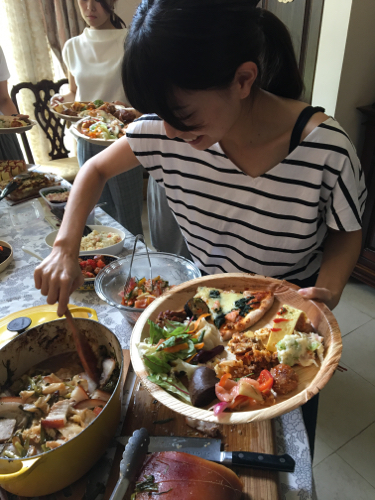
The employees were served tori – karaage, a Japanese style fried chicken, okonomi – yaki, a savoury pancake with spinach and onions, udon noodles with a spicy sauce, and a platter of smoked chicken ham. An assortment of spices was served alongside. The sharpness of the wasabi, the zest of the Ponzu – a citrus flavoured soy sauce, and the aromatic yuzu – a lemon chilli paste, all contributed the overall experience of the food.
The students gained feedback from various people, after the event. It was found that most people who had sampled the food had never tried Japanese cuisine before, and were pleasantly surprised by the variety of food served. Many said that the fried chicken was a relatively familiar taste – likely due to the presence of American fast food restaurants, which serve a similar batter – fried chicken – but most found the okonomi – yaki (pancake) to be an entirely new flavour. One of the biggest hits was undoubtedly the udon noodles. A soft, mild flavoured noodle made of wheat flour, the udon noodle is extremely versatile. One of the major benefits is that it can take on the taste of any item paired with it, while still maintaining its simplicity.
A large amount of people stated that they would definitely want to buy the food if available to them on a regular basis. The only complaint was that the people would have liked more vegetarian options to the food – an idea that is extremely important to take into consideration, when catering to Indian preferences and palates.
The session was deemed to be a success, and the interns were extremely satisfied with the quality of feedback received. It was a relatively novel experience, for both the nationalities involved, and was one that probably shed a lot of insight into the intricacies of each culture. Eventually, it always comes down to food!
An Essay on the organisation of New Ark Mission: Home of Hope
(By Sahnya Mehra; March 2018)
On the 17th of March, 2018, I, along with the members of Muse Creations charity organisation visited the New Ark Mission charity home.
Founded by T. Raja in 1997, New Ark Mission: Home of Hope has been taking in poor and destitute people off the streets of Bangalore – nursing them back to health, and giving them a home to stay in. ‘Auto’ Raja, as he’s affectionately known as, was a man who once led a similar life. As a youth, he took to stealing, drinking and gambling, and lived on the streets for two years before getting his life together.
As of today, New Ark is a successful organisation that infinitely benefits society. There are a total of 170 residents staying in the home. There are three distinct living facilities – the female, male and children’s wings. Additionally, there is a separate area for kitchens and a pantry located within the premises. The children’s wings has an attached play area – which includes a swing set, basketball hoops, and several other amenities for the children to learn, and grow.
We first went to their main office on campus, and were shown a short documentary on how the home started, and the work that they do. There have been several success stories, and it’s evident that New Ark has been doing immense good for the community, as a whole. With the help of the Bangalore police, and the 108 Ambulance service, they have been able to save and provide help to so many poor and destitute citizens of the city. As many as 1,500 people have even been integrated back into their families.
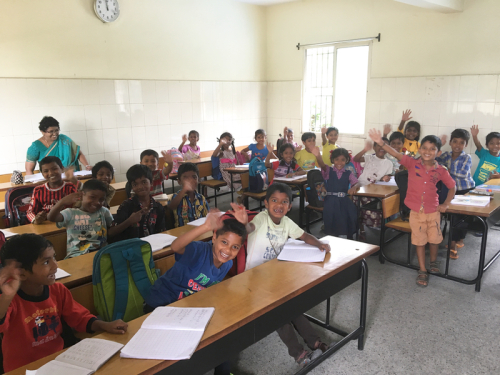
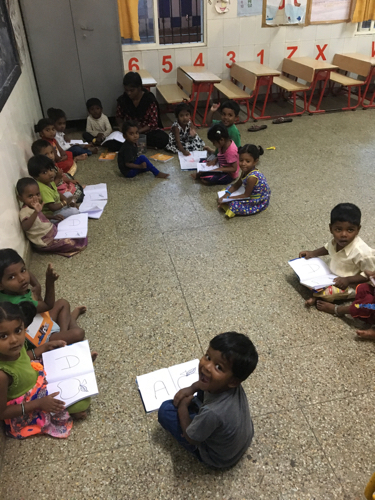
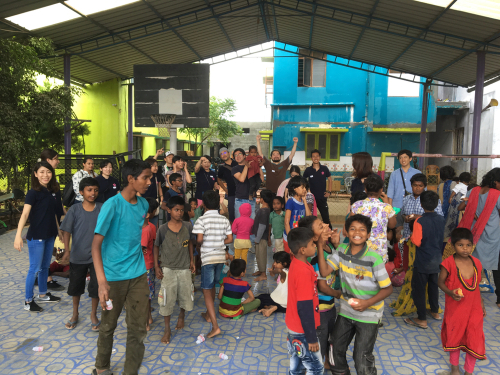
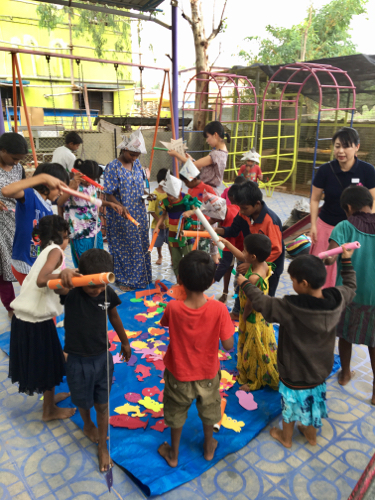
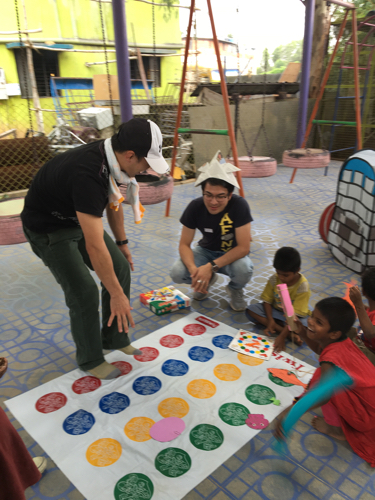
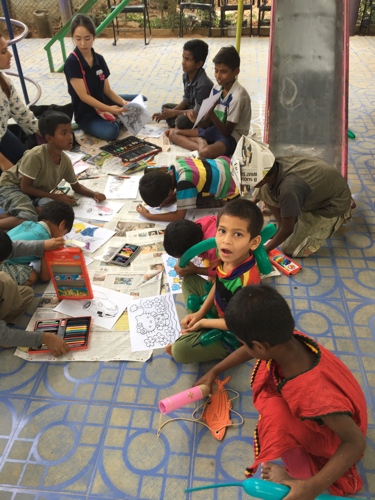
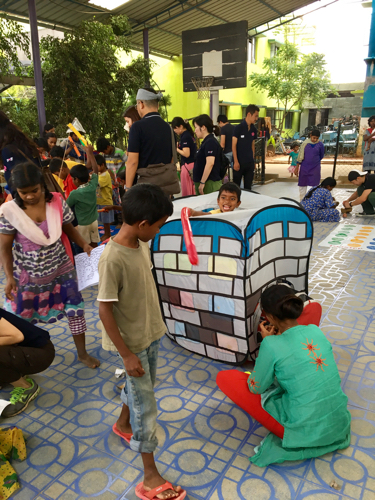
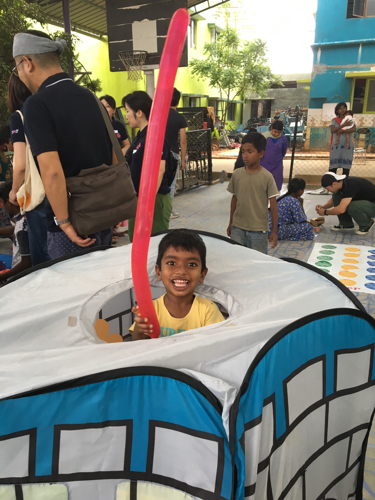
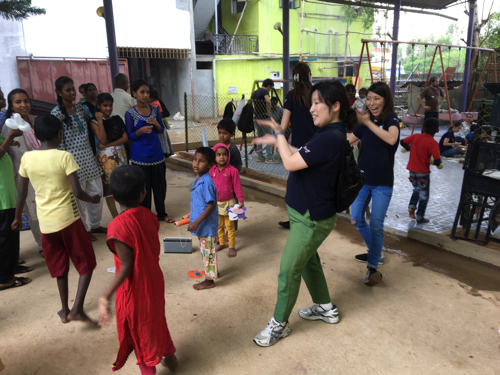
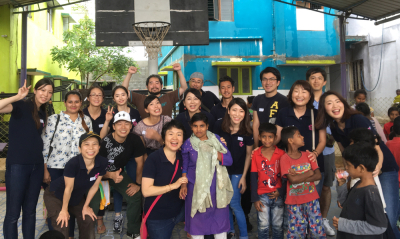
After the documentary, we were taken to the children’s wing, where the members of Muse Creations had brought different types of games and equipment for the children to play with.
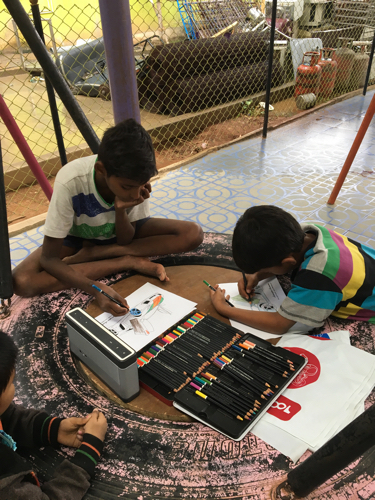
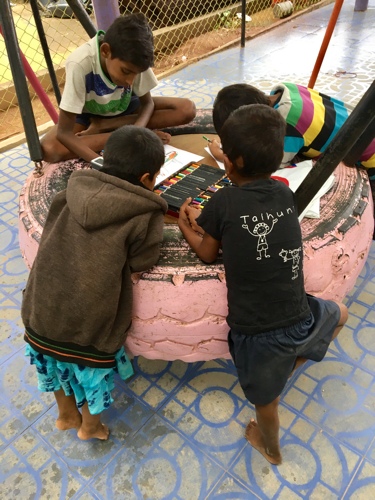
The members split into small teams, each to handle a different play area. Some showed the children how to play a fishing game where the kids could pick up drawings of fish with a magnet at the end of a rope. Some of the men played football with the children, while others kept the children entertained with toys and playhouses. I, along with two other members, helped the children with drawing and colouring. The atmosphere was lively and cheerful, and the air was filled with sounds of upbeat music, and the ecstatic cries of children.
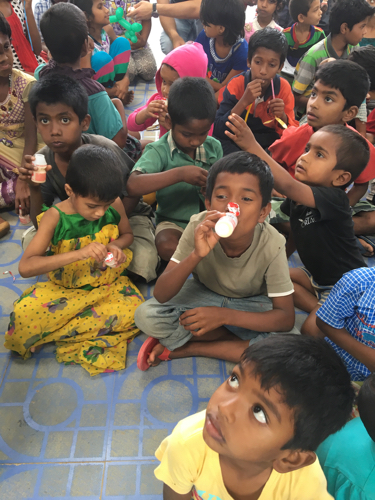
After a while, we gave out biscuits and bottles of pro-biotic drink to the children, while asking them for their feedback. Many suggested that we bring more sports – related games, the next time we visited.
We ended up staying for about two hours, and at the end, Miho gave the organisation a donation on behalf of Muse Creations.
As someone who has studied Psychology, and worked closely with under-privileged children, the experience wasn’t a jarring one. But it was impactful, nonetheless. I’m grateful and humbled to be able to call myself privileged, and wish to continue to give back to society in order to help those who need it.